
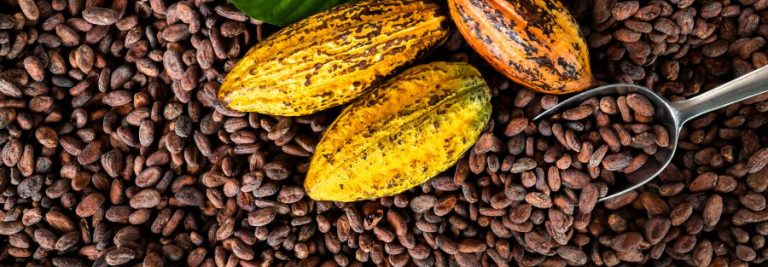
The global cocoa market is showing encouraging signs of recovery after a period of unprecedented volatility. Following the historic price surge that shook the chocolate industry in 2024 and 2025, cocoa prices are beginning to stabilize, creating renewed optimism among processors, exporters, manufacturers, and investors worldwide.
Recent developments from Malaysian cocoa processor Guan Chong Bhd suggest that lower cocoa prices could stimulate demand growth in the second half of 2026, particularly as chocolate products become more affordable for consumers once again. According to a report by The Star, the company expects cocoa demand to rebound as market conditions normalize.
Understanding the Cocoa Market Correction
Over the last two years, the cocoa industry has experienced one of the most dramatic price cycles in its history. Severe weather conditions, supply shortages in major producing countries such as Côte d’Ivoire and Ghana, and speculative trading pushed cocoa prices to record highs.
However, the market has since undergone a significant correction.
Improved weather conditions across key cocoa-growing regions, combined with maturing cocoa plantations and increased production, have helped ease supply concerns. This has contributed to a more balanced market environment and a reduction in cocoa prices from their historic peaks.
Industry analysts now believe that the market is transitioning from a crisis phase into a stabilization phase, offering greater predictability for participants across the cocoa value chain.
Why Stabilizing Cocoa Prices Matter
For chocolate manufacturers, stable cocoa prices create opportunities to improve production planning and profitability. During the peak of the cocoa crisis, many manufacturers were forced to:
- Reduce product sizes
- Increase retail prices
- Reformulate recipes using alternative ingredients
- Delay expansion plans
As cocoa prices decline, many companies are beginning to reverse some of these measures.
Reports indicate that several chocolate manufacturers are considering a return to traditional chocolate formulations as cocoa becomes more affordable. This trend could support stronger cocoa bean demand in the coming years and create new opportunities for exporters and processors.
Demand Recovery Expected in 2026
One of the most significant takeaways from Guan Chong’s recent outlook is the expectation of stronger demand during the second half of 2026.
According to the company’s management, lower cocoa prices are expected to translate into lower chocolate prices. As affordability improves, consumers may increase their chocolate purchases, helping revive global demand.
This outlook aligns with broader industry expectations that the cocoa sector will gradually recover from the demand destruction caused by record-high prices.
For cocoa exporters, this recovery could lead to:
- Increased international orders
- Improved processing margins
- Greater market stability
- Expanded opportunities in emerging markets
Businesses involved in cocoa trading should closely monitor these developments as they could shape procurement and export strategies for the remainder of the year.
Opportunities for Nigerian Cocoa Exporters
Nigeria remains one of Africa’s leading cocoa-producing nations and is well-positioned to benefit from improving market conditions.
As global buyers seek diversified and reliable cocoa origins, Nigerian exporters have an opportunity to strengthen their presence in international markets. The stabilization of cocoa prices may encourage processors and manufacturers to secure long-term supply contracts, particularly from trusted suppliers.
Key advantages for Nigerian cocoa exporters include:
Growing Global Demand
As chocolate consumption rebounds, demand for cocoa beans and cocoa-derived products is expected to increase.
Competitive Production Base
Nigeria continues to offer attractive sourcing opportunities for international buyers seeking quality cocoa beans.
Expanding Value Addition
The global shift toward processed cocoa products presents opportunities for Nigerian businesses to move beyond raw bean exports and participate in higher-value segments of the market.
Risks Still Facing the Cocoa Industry
Despite the improving outlook, several challenges remain.
Weather Risks
Market participants continue to monitor the possibility of El Niño-related weather disruptions, which could negatively impact future cocoa harvests.
Geopolitical Uncertainty
Ongoing geopolitical tensions and conflicts in key regions may affect consumer sentiment, transportation costs, and overall commodity demand.
Supply Chain Challenges
Although supply conditions have improved, the cocoa market remains sensitive to logistical disruptions, farmer payment issues, and regulatory changes.
For this reason, industry stakeholders should remain cautious and continue implementing effective risk management strategies.
The Future of Cocoa Trading
The cocoa industry appears to be entering a new phase characterized by greater balance between supply and demand. While prices may remain volatile compared to historical averages, the extreme conditions seen during the recent cocoa crisis are beginning to ease.
Companies that adapt quickly to changing market conditions will likely be best positioned to capitalize on emerging opportunities.
For exporters, processors, and commodity traders, this means:
- Strengthening relationships with international buyers
- Investing in quality control and traceability
- Exploring value-added cocoa products
- Monitoring global market developments closely
As demand recovers and supply stabilizes, the cocoa sector may once again become one of the most attractive agricultural commodity markets globally.
Conclusion
The recent stabilization of cocoa prices marks an important turning point for the global cocoa industry. Insights from Guan Chong’s latest market outlook suggest that lower prices could help restore consumer demand and support a healthier market environment throughout 2026.
Additional industry reports from New Straits Times and The Edge Malaysia further highlight growing optimism surrounding cocoa demand recovery and improved supply conditions.
For Nigerian cocoa exporters, commodity traders, and agribusiness investors, the current market transition presents a valuable opportunity to strengthen their position in the global cocoa trade.
Looking to Source or Export Premium Cocoa Products?
At Enbri Nig Ltd, we specialize in sourcing and supplying high-quality cocoa beans and cocoa-related commodities for international markets. Whether you are a buyer, processor, or trading partner, our team is committed to facilitating reliable and efficient commodity transactions.
Contact us today through Enbri Nig Ltd to explore partnership opportunities and stay ahead in the evolving global cocoa market.