The global cocoa market is once again attracting attention as cocoa prices surge amid growing concerns over weather conditions in major producing regions. Recent reports indicate that the emergence of an El Niño weather pattern could significantly impact cocoa production across West Africa, the world’s largest cocoa-producing region. As a result, traders, exporters, manufacturers, and investors are closely monitoring developments that could reshape supply and pricing trends throughout the coming season.
According to a recent market analysis by Barchart, cocoa futures experienced a sharp rally as concerns mounted over the potential effects of prolonged drought and excessive heat on cocoa-growing areas in West Africa. The development highlights the increasing influence of climate-related risks on global agricultural commodities.
Why Cocoa Prices Are Rising
The primary factor driving cocoa prices higher is the growing likelihood of El Niño conditions. Meteorological forecasts suggest a strong probability that El Niño will develop and persist throughout the year, potentially bringing hotter and drier weather to key cocoa-producing countries such as Ghana, Côte d’Ivoire, and Nigeria.
These nations collectively account for more than half of the world’s cocoa production. Any significant reduction in crop yields from the region can quickly tighten global supplies and push prices upward.
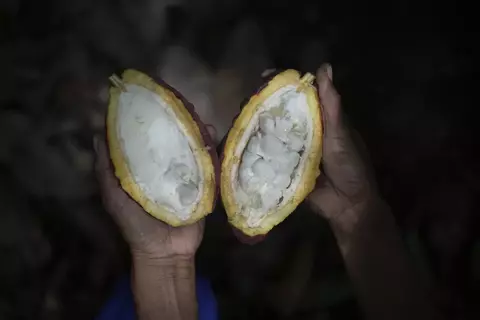
Recent crop surveys have already raised concerns. Early assessments of the 2026/27 cocoa crop indicate below-average cherelle formation—the young pods that eventually develop into mature cocoa fruits. Lower pod development could signal weaker harvest volumes later in the year.
For more details on the latest market movement, readers can review the original report published by Barchart:
https://www.barchart.com/story/news/2263232/mounting-weather-concerns-boost-cocoa-prices
The Impact of El Niño on Cocoa Production
El Niño is a climate phenomenon characterized by warmer-than-average ocean temperatures in the Pacific Ocean. Its effects are felt globally and often result in abnormal weather patterns.
For cocoa farmers, the consequences can be severe:
- Reduced rainfall during critical growing periods
- Increased drought stress on cocoa trees
- Lower flower and pod development
- Higher risk of pest infestations
- Declining crop yields and bean quality
West Africa has already experienced weather-related challenges over the past few years, contributing to significant volatility in cocoa prices. Industry analysts fear that another severe weather event could further strain global supplies.
Supply Constraints Continue to Support Prices
Beyond weather concerns, several additional factors are contributing to bullish sentiment in the cocoa market.
Lower Production Outlook
Several forecasting agencies have revised their surplus estimates downward due to concerns about future crop performance. Expectations of tighter global supplies continue to support higher cocoa prices.
Nigerian Cocoa Production Challenges
Nigeria remains one of Africa’s leading cocoa producers, but industry reports indicate production may decline in the coming season. Factors such as adverse weather conditions, rising input costs, and aging plantations have affected output levels.
This reduction in supply from Nigeria could further tighten global availability and increase demand for high-quality cocoa from reliable exporters.
Rising Transportation and Input Costs
Global logistics disruptions and increased fuel costs continue to affect agricultural trade. Higher shipping rates, insurance costs, and fertilizer prices increase production expenses across the cocoa value chain, ultimately influencing market prices.
Factors Limiting Further Price Increases
While weather concerns are providing strong support for cocoa prices, some bearish factors remain.
Higher Cocoa Inventories
Recent data shows that cocoa inventories held in exchange-monitored warehouses have increased. Larger inventories can temporarily offset supply concerns and place downward pressure on prices.
Strong Cocoa Shipments from Côte d’Ivoire
Côte d’Ivoire has reported increased cocoa arrivals at ports compared to previous seasons. Improved logistics and favorable weather earlier in the season helped boost shipments, providing additional supply to the market.
Demand Concerns
High cocoa prices have forced some chocolate manufacturers to adjust pricing strategies. In certain regions, consumers have reduced discretionary spending on premium chocolate products, creating concerns about future demand growth.
However, major chocolate companies continue to report relatively resilient consumer demand, suggesting that cocoa consumption remains strong despite higher prices.
What This Means for International Cocoa Buyers
For importers, processors, and chocolate manufacturers, the current market environment presents both risks and opportunities.
Buyers should consider:
- Securing supply contracts early
- Diversifying sourcing regions
- Building strategic inventory reserves
- Monitoring weather forecasts closely
- Working with reliable export partners
As weather uncertainty continues, price volatility is likely to remain a key feature of the cocoa market throughout the year.
Opportunities for Nigerian Cocoa Exporters
The current market conditions present significant opportunities for Nigerian exporters capable of delivering consistent quality and reliable supply.
International buyers are increasingly seeking alternative sources to reduce dependence on a few producing countries. Nigerian cocoa exporters who can meet international quality standards and provide transparent supply chains may benefit from growing demand.
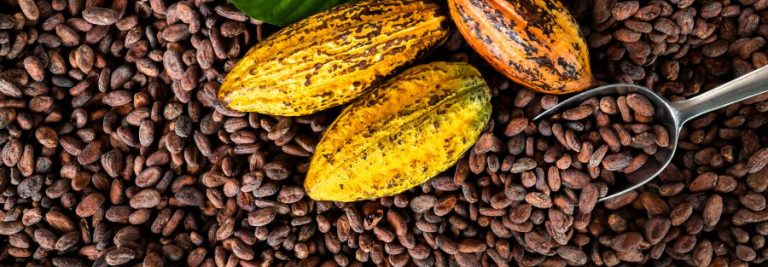
Companies involved in cocoa beans, cocoa shells, cocoa husks, and other cocoa by-products should position themselves strategically to capitalize on market opportunities arising from tightening global supplies.
The Future Outlook for Cocoa Prices
Looking ahead, weather conditions will remain the most important factor influencing cocoa prices.
If El Niño develops as expected and drought conditions intensify across West Africa, global cocoa production could face additional pressure. This scenario would likely support higher prices throughout the upcoming harvest season.
Conversely, improved rainfall and favorable growing conditions could help stabilize production and ease supply concerns.
Market participants should closely monitor:
- Weather forecasts
- Crop development reports
- Export shipment data
- Global grinding statistics
- Supply and demand forecasts
The cocoa market is entering a period of heightened uncertainty, and timely information will be essential for making informed purchasing and trading decisions.
Conclusion
Mounting weather concerns are once again reshaping the global cocoa market. The possibility of El Niño-induced drought across West Africa has renewed fears of supply shortages, helping drive cocoa prices higher.
Although larger inventories and stronger shipments from some producing countries may provide temporary relief, the overall market remains highly sensitive to weather developments. For buyers, traders, and exporters, staying informed and acting proactively will be critical in navigating the months ahead.
Looking for Reliable Cocoa Supply?
Enbri Nig. Ltd. is committed to connecting international buyers with quality agricultural commodities from Nigeria. Whether you are sourcing cocoa beans, cocoa shells, cocoa husks, soybeans, cashew nuts, or other agricultural products, our team is ready to support your sourcing needs.
Visit https://enbrinigltd.com.ng to learn more about our products and export capabilities, or contact us today to discuss your requirements and secure dependable supply from Nigeria.