
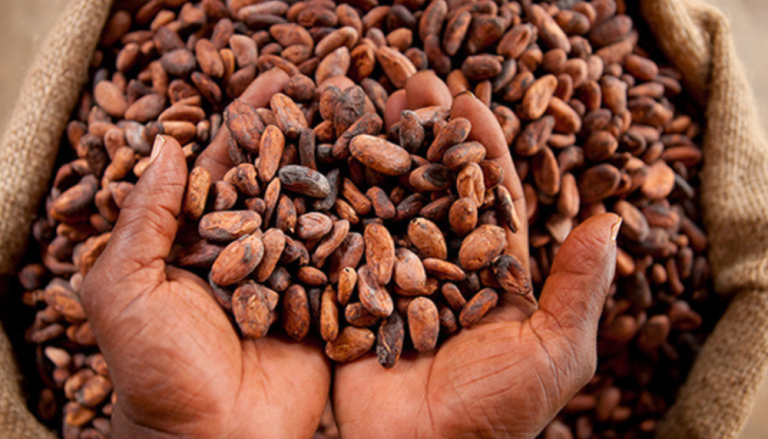
The global cocoa industry is once again under pressure as fresh protests by cocoa farmers in Ivory Coast threaten supply stability and market confidence. As the world’s largest cocoa producer, Ivory Coast plays a critical role in the international chocolate and agricultural commodities market. Recent unrest among farmers over unpaid cocoa deliveries has sparked concern among exporters, traders, manufacturers, and stakeholders across the cocoa value chain.
According to a recent Reuters report, the Ivorian government plans to send officials to calm growing tensions among cocoa farmers protesting delayed payments and deteriorating cocoa stocks. Reuters report on Ivory Coast cocoa protests
For global agricultural exporters, cocoa buyers, and commodity stakeholders, these developments highlight the increasing fragility of the cocoa supply chain in West Africa.
Why Cocoa Farmers in Ivory Coast Are Protesting
The protests stem largely from delayed payments for cocoa beans sold during the country’s main crop season. Farmers in regions such as M’Batto claim they have been left with unsold cocoa stocks that are deteriorating while awaiting payment from buyers and cooperatives.
The situation escalated after reports emerged that some protesting farmers blocked roads to demand compensation and intervention from the government. Police reportedly dispersed demonstrations using tear gas, further intensifying tensions in cocoa-producing communities. (Reuters)
Industry observers say the payment crisis is tied to sharp fluctuations in global cocoa prices. After cocoa prices surged to record highs in 2024 and early 2025, the market experienced a steep decline, creating financial pressure on cocoa regulators, exporters, and purchasing institutions.
The Economic Importance of Ivory Coast Cocoa Production
Ivory Coast accounts for approximately 40% of global cocoa production, making the country essential to the global chocolate and confectionery industry. Any disruption in its cocoa sector has direct implications for:
- Global cocoa prices
- Chocolate manufacturers
- Agricultural commodity exporters
- International traders
- Food supply chains
The Ivorian Coffee and Cocoa Council (CCC), which regulates the sector, reportedly promised to purchase excess cocoa stock to stabilize the market. However, many farmers claim payments have not materialized quickly enough. (Reuters)
For businesses operating in agricultural exports, including commodity firms across Africa, the ongoing unrest demonstrates the importance of sustainable supply chain management and fair farmer compensation systems.
Cocoa Supply Challenges Continue to Grow
The farmer protests are happening at a time when the cocoa industry is already facing multiple challenges.
1. Poor Weather Conditions
Reuters recently reported that irregular rainfall and prolonged dry conditions are threatening Ivory Coast’s mid-crop cocoa harvest. Farmers across major cocoa-growing regions fear lower yields and reduced bean quality if weather conditions do not improve soon. (Reuters)
Below-average rainfall during critical growing periods has affected pod development and increased fears of a weaker harvest season.
2. Fertilizer Shortages
Another major concern is fertilizer accessibility. Many cocoa farmers are struggling to afford fertilizers due to falling incomes and rising agricultural input costs.
A Reuters survey found that most farmers in Ivory Coast had not secured enough fertilizer for upcoming production cycles, raising concerns about long-term productivity. (Reuters)
Without adequate investment in cocoa farms, future harvests could decline significantly.
3. Financial Instability in the Cocoa Sector
The financial strain extends beyond Ivory Coast. Ghana, another major cocoa-producing country, is also experiencing liquidity challenges affecting cocoa payments and supply operations.
Reuters reported that Ghana’s state-owned cocoa buyer has struggled financially, leaving many farmers unpaid for months. (Reuters)
This regional instability could increase volatility across the global cocoa market in the coming months.
Impact on Global Cocoa Prices
The unrest in Ivory Coast has already contributed to renewed upward pressure on cocoa prices. Commodity analysts warn that prolonged farmer dissatisfaction and weather-related supply risks could tighten global cocoa supplies later this year.
Market watchers are closely monitoring:
- Government interventions
- Rainfall patterns
- Cocoa export volumes
- Farmer payment programs
- Harvest forecasts
Recent reports suggest cocoa prices have rebounded sharply in May amid fears of supply disruptions linked to protests and poor weather conditions. (Nairametrics)
For international cocoa buyers and exporters, maintaining reliable sourcing relationships and monitoring West African cocoa developments will remain critical.
What This Means for Agricultural Export Businesses
The current cocoa crisis reinforces the need for stronger agricultural trade systems across Africa. Exporters and commodity companies must prioritize:
- Transparent sourcing systems
- Fair trade partnerships
- Supply chain diversification
- Farmer support initiatives
- Sustainable agricultural investment
At Enbri Nig. Ltd, we understand the importance of reliable agricultural commodity sourcing and international trade sustainability. As a company committed to agricultural exports and global commodity supply, we recognize that farmer welfare and supply chain stability are essential to long-term industry growth.
The Future of the Cocoa Industry
Despite current challenges, the long-term outlook for cocoa demand remains strong. Global chocolate consumption continues to grow, especially in emerging markets. However, maintaining stable cocoa production will require coordinated efforts between governments, regulators, exporters, cooperatives, and farmers.
Industry experts believe that resolving delayed payments quickly and improving farmer support systems will be essential to restoring confidence in Ivory Coast’s cocoa sector.
Failure to address these concerns could discourage cocoa farming activities and negatively impact future harvests.
Conclusion
The protests by cocoa farmers in Ivory Coast highlight deeper structural issues within the global cocoa industry. Delayed payments, climate challenges, and rising production costs are placing increasing pressure on farmers who form the backbone of the global cocoa supply chain.
As governments and industry regulators attempt to calm tensions, global commodity stakeholders will be watching closely. The outcome could shape cocoa pricing, export dynamics, and agricultural trade across Africa for months to come.
Email: info@enbrinigltd.com.ng