
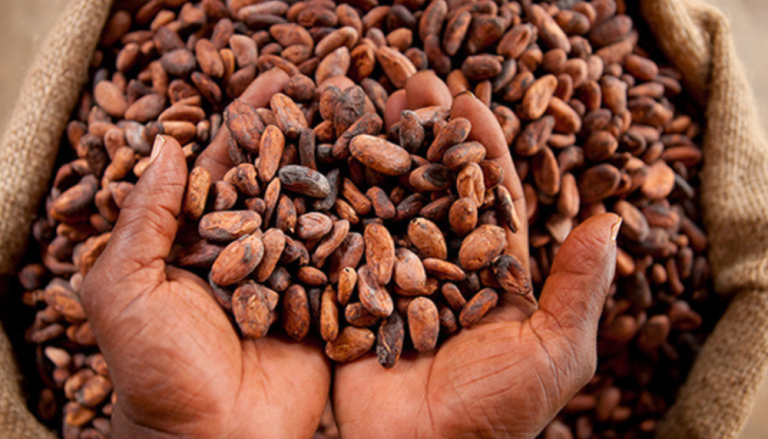
Global cocoa prices recorded a significant increase in May as farmer protests and weak rainfall patterns disrupted production across major cocoa-producing regions. The development has raised fresh concerns among exporters, manufacturers, investors, and stakeholders within the agricultural sector. As the market reacts to supply shortages and climate-related challenges, experts believe the cocoa industry may continue experiencing volatility in the coming months.
According to a recent report published by Nigeria Housing Market, cocoa prices climbed sharply due to growing tensions among cocoa farmers and persistent unfavorable weather conditions affecting crop yield. Read the original report here: https://www.nigeriahousingmarket.com/news/cocoa-prices-jump-may-farmer-protests-weak-rains
Why Cocoa Prices Are Rising Globally
The recent increase in cocoa prices is largely linked to two major factors:
- Farmer protests in key cocoa-producing regions
- Weak rainfall affecting cocoa production
Countries like Ivory Coast and Ghana remain the world’s largest cocoa producers, supplying more than 60% of global cocoa demand. However, ongoing protests by farmers demanding better compensation and fair pricing have interrupted harvesting and supply chain operations.
At the same time, irregular rainfall and changing climate patterns have negatively impacted cocoa farms, reducing productivity and creating fears of prolonged shortages in the international market.
These combined factors have pushed cocoa futures higher, causing concern for chocolate manufacturers and global commodity traders.
Impact of Weak Rains on Cocoa Production
Weather conditions play a critical role in cocoa farming. Cocoa trees require consistent rainfall and favorable temperatures to thrive. Unfortunately, several cocoa-growing regions in West Africa have recently experienced below-average rainfall levels.
This has resulted in:
- Reduced cocoa bean quality
- Lower harvest yields
- Increased risk of crop disease
- Rising production costs for farmers
Climate experts warn that if weak rains continue into the next farming season, cocoa shortages could worsen, driving prices even higher globally.
For countries like Nigeria that rely on agricultural exports, this situation presents both opportunities and risks.
What Farmer Protests Mean for the Cocoa Industry
Farmer protests are another major contributor to the recent cocoa market instability. Many cocoa farmers argue that rising operational costs and inflation have made cocoa farming less profitable despite increasing international prices.
Some key concerns raised by farmers include:
- Poor government support
- Low farmgate prices
- High fertilizer and transportation costs
- Limited access to agricultural financing
The protests have disrupted supply chains and slowed cocoa exports in several regions, contributing to market uncertainty.
Industry analysts believe governments across Africa must implement stronger agricultural policies to protect farmers and stabilize cocoa production.
Nigeria’s Position in the Cocoa Market
Nigeria remains one of Africa’s leading cocoa producers, and the current rise in cocoa prices could create economic opportunities for local farmers and exporters.
Higher global cocoa prices may lead to:
- Increased export revenue
- Better earnings for Nigerian cocoa farmers
- More investment in agriculture
- Expansion of cocoa farming operations
However, Nigeria also faces similar climate and infrastructure challenges affecting other cocoa-producing nations. Without proper investment in irrigation, transportation, and farmer support programs, local producers may struggle to maximize these opportunities.
Agricultural experts continue to encourage diversification and modernization within Nigeria’s cocoa sector to improve long-term sustainability.
Economic Implications for Businesses and Consumers
The increase in cocoa prices is expected to affect multiple industries worldwide, especially food and beverage companies that rely heavily on cocoa products.
Consumers may soon notice:
- Higher chocolate prices
- Increased confectionery costs
- Rising prices for cocoa-based beverages
- Reduced product sizes from manufacturers
Businesses that depend on cocoa imports may also face tighter profit margins due to higher raw material expenses.
At the same time, commodity investors and agricultural traders may see new opportunities within the cocoa market as prices continue fluctuating.
How Climate Change Is Reshaping Agriculture
The cocoa price surge once again highlights the growing impact of climate change on global agriculture. Changing weather patterns, droughts, flooding, and inconsistent rainfall are becoming major threats to food security and agricultural production worldwide.
Governments and stakeholders must focus on:
- Climate-smart farming practices
- Sustainable agriculture
- Improved irrigation systems
- Farmer education programs
- Access to agricultural technology
Long-term investment in agricultural resilience will be essential to protecting economies that depend heavily on farming exports.
Opportunities for Nigerian Farmers
Despite the challenges, rising cocoa prices could benefit Nigerian farmers willing to adopt modern agricultural techniques.
Some emerging opportunities include:
Expansion of Cocoa Exports
Higher international prices may increase demand for Nigerian cocoa exports.
Investment in Agribusiness
Private investors may begin funding large-scale cocoa plantations and processing facilities.
Value-Added Cocoa Products
Local manufacturers can explore producing chocolate, cocoa butter, and other processed cocoa products instead of exporting raw beans alone.
Youth Participation in Agriculture
The profitability of cocoa farming may encourage more young Nigerians to enter the agricultural sector.
The Future of Cocoa Prices
Market analysts predict cocoa prices may remain volatile throughout the year depending on weather conditions and political developments within major producing countries.
If rainfall patterns improve and farmer disputes are resolved, prices could stabilize. However, continued climate disruptions and supply shortages may trigger further increases.
Businesses, exporters, and investors are therefore closely monitoring developments within the global cocoa industry.
For more insights into agriculture, business, and economic developments, visit: https://www.nigeriahousingmarket.com/news
You can also explore more business and economic content on: https://enbrinigltd.com.ng
Final Thoughts
The recent surge in cocoa prices serves as a reminder of how interconnected climate, agriculture, and global economics have become. Farmer protests and weak rainfall are not just local issues — they have worldwide implications affecting industries, consumers, and economies.
Nigeria has an opportunity to strengthen its cocoa sector by investing in sustainable farming, supporting local farmers, and encouraging agribusiness innovation. With the right strategies, the country can benefit significantly from rising global cocoa demand while building a more resilient agricultural economy.
What are your thoughts on the rising cocoa prices? Do you think Nigeria can become a stronger global cocoa exporter? Share your opinions in the comments and join the conversation.