
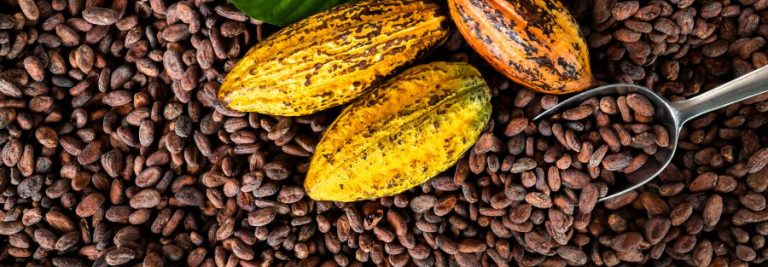
The global cocoa market is once again making headlines as cocoa prices continue to rise sharply, reigniting fears across the chocolate manufacturing industry and international commodity markets. According to a recent report by The Wall Street Journal, cocoa prices in New York surged by 13% in a single trading session, reaching $4,709 per metric ton — the biggest daily increase since the historic cocoa rally of 2024. (Wall Street Journal)
For cocoa exporters, chocolate manufacturers, commodity investors, and agricultural stakeholders, this renewed volatility is more than just a temporary market fluctuation. It signals deeper concerns surrounding climate change, supply shortages, investor positioning, and the future of global cocoa production.
Why Are Cocoa Prices Rising Again?
The recent cocoa price spike follows two years of intense market volatility that previously pushed cocoa prices above $12,000 per metric ton in late 2024. (Wall Street Journal)
Several key factors are driving the latest increase:
1. Climate and Weather Concerns
Forecasters are predicting a strong El Niño weather pattern, which could negatively affect cocoa-producing regions across:
- West Africa
- Ecuador
- Indonesia
West Africa alone accounts for nearly 70% of global cocoa production, making any weather disruption in the region a major threat to global supply. (Wall Street Journal)
Poor rainfall, rising temperatures, and crop diseases continue to impact cocoa farms, reducing harvest yields and creating uncertainty in the global supply chain.
2. Investor Repositioning in Commodity Markets
According to market analysts, part of the recent rally is being fueled by traders closing short positions in cocoa futures.
As investors rushed to reposition themselves, buying pressure intensified and accelerated the upward price movement. While some experts argue the rally is partly speculative, the broader supply concerns remain very real.
3. European Union Deforestation Regulations
Another growing concern is the European Union’s upcoming anti-deforestation regulation, which may restrict cocoa expansion in several producing countries. (Wall Street Journal)
The regulation aims to ensure imported agricultural products are not linked to deforestation. While environmentally beneficial, the policy could reduce future cocoa planting expansion and tighten already strained supply levels.
How Rising Cocoa Prices Affect Chocolate Manufacturers
The cocoa market instability is placing enormous pressure on chocolate manufacturers globally.
During the previous cocoa rally, many chocolatiers were forced to:
- Reduce chocolate bar sizes
- Increase retail prices
- Experiment with cocoa alternatives
- Reformulate recipes
Some manufacturers even began incorporating ingredients like oats, sunflower seeds, and lab-grown cocoa substitutes to reduce dependency on traditional cocoa supplies. (Wall Street Journal)
Major brands including Hershey, Nestlé, and Mondelez have already implemented significant price increases in response to higher cocoa costs. (Wall Street Journal)
Consumers worldwide are now experiencing:
- Higher chocolate prices
- Smaller product sizes
- Reduced promotional discounts
- Product reformulations
Interestingly, despite higher prices, consumer demand for premium chocolate products remains relatively resilient in many markets.
What This Means for Cocoa Exporters in Africa
For cocoa exporters and agribusiness companies across Africa, rising cocoa prices present both opportunities and challenges.
Countries like:
- Nigeria
- Ghana
- Côte d’Ivoire
- Cameroon
could potentially benefit from increased export revenues if production levels remain stable.
However, exporters must also navigate:
- Climate-related farming risks
- International compliance requirements
- Currency volatility
- Supply chain disruptions
- Sustainability demands from global buyers
This situation highlights the growing importance of sustainable cocoa farming, improved agricultural practices, and export-ready supply chains.
At Enbri Nig. Ltd, we understand the evolving dynamics of the global cocoa market and the importance of delivering premium-quality agricultural exports that meet international standards.
The Future of the Cocoa Industry
While analysts believe cocoa prices may not immediately return to the record highs of 2024, market volatility is expected to continue throughout 2026. (Trading Economics)
Several long-term trends are shaping the future of the cocoa industry:
Sustainable Farming Practices
Global buyers are increasingly demanding ethically sourced and sustainably produced cocoa.
This includes:
- Traceability systems
- Deforestation-free sourcing
- Fair farmer compensation
- Environmental compliance
Technological Innovation
The industry is seeing rapid innovation in:
- Cocoa alternatives
- Precision agriculture
- Climate-resistant cocoa varieties
- Supply chain tracking technologies
Changing Consumer Preferences
Consumers are becoming more conscious of:
- Product sourcing
- Sustainability
- Ethical farming practices
- Ingredient transparency
This shift is pushing manufacturers and exporters toward more responsible production models.
Opportunities for Nigerian Cocoa Exporters
Nigeria remains one of Africa’s important cocoa-producing nations, and the current market conditions may create significant opportunities for export-focused agribusinesses.
Exporters who prioritize:
- Quality assurance
- International certifications
- Sustainable sourcing
- Efficient logistics
- Strong buyer relationships
will likely be better positioned to benefit from the growing global demand for reliable cocoa suppliers.
As international markets continue searching for dependable agricultural export partners, Nigerian agribusinesses have an opportunity to strengthen their global presence.
Final Thoughts
The latest cocoa price surge serves as another reminder of how interconnected global agriculture, climate conditions, commodity trading, and food manufacturing have become.
While chocolate manufacturers struggle with rising costs and volatile markets, cocoa-producing nations and exporters may find new opportunities in the evolving global supply chain.
For businesses involved in cocoa exports, this is the time to invest in sustainability, compliance, and operational efficiency to remain competitive in an increasingly demanding international market.
To learn more about the recent cocoa market surge, read the original report from The Wall Street Journal cocoa market coverage. Additional related market insights can also be found in:
- Cocoa Prices Jump Over 15% as Investors Reposition
- Chocolate Makers Look to Cut Down on Cocoa After Price Volatility
- Cocoa Market Historical Data and Trends
If your business is looking for trusted agricultural export solutions and premium-quality cocoa sourcing, visit Enbri Nig. Ltd to connect with our team today.
Email: info@enbrinigltd.com.ng