How to Export Agricultural Products from Nigeria: A Complete Step-by-Step Guide (2026)
Nigeria is one of Africa’s largest producers of agricultural commodities, from sesame seeds and cocoa to cashew nuts and ginger. With global demand for organic and natural products rising, exporting agricultural products from Nigeria presents a lucrative opportunity for entrepreneurs, agribusiness owners, and investors.
If you’re looking to break into the export market, this comprehensive step-by-step guide will walk you through everything you need to know—from registration to shipment—while ensuring compliance and profitability in 2026.
Why Export Agricultural Products from Nigeria?
Nigeria’s agricultural sector is rich with export potential due to:
- Abundant natural resources and fertile land
- High global demand for Nigerian agro-products
- Favorable exchange rates (earning in USD, EUR, etc.)
- Government support for non-oil exports
Popular export products include:
- Sesame seeds
- Cocoa beans
- Ginger
- Cashew nuts
- Shea butter
- Palm kernel cake
Step 1: Conduct Market Research
Before exporting any agricultural product, you need to understand:
- Demand trends in target countries (e.g., Europe, Asia, Middle East)
- Pricing structure and profit margins
- Quality standards required internationally
- Competitors and market entry barriers
Pro Tip:
Focus on high-demand products like sesame seeds and cocoa, which consistently perform well in global markets.
Step 2: Register Your Business Properly
To operate legally, you must register your business with:
- Corporate Affairs Commission (CAC)
- Obtain a Tax Identification Number (TIN)
Choose a business name that reflects credibility and aligns with your export goals.
Step 3: Obtain Export Licenses & Certifications
Exporting agricultural products from Nigeria requires proper documentation. The key ones include:
1. Nigerian Export Promotion Council (NEPC) Registration
This is mandatory for all exporters.
2. Exporter’s Certificate
Issued after registering with NEPC.
3. Phytosanitary Certificate
Confirms that your products are pest-free and meet international standards.
4. SONCAP Certificate (if applicable)
Issued by the Standards Organisation of Nigeria for regulated products.
5. NAFDAC Certification (for processed goods)
Step 4: Source High-Quality Agricultural Products
Quality is everything in export.
You can source products from:
- Local farmers
- Aggregators
- Commodity markets
Key Quality Tips:
- Ensure proper drying (especially for sesame, cocoa, and ginger)
- Avoid contamination and foreign materials
- Meet moisture content standards
- Use proper grading and sorting
Step 5: Packaging and Storage
Proper packaging ensures your products arrive in excellent condition.
Recommended Packaging:
- Jute bags (for cocoa, sesame, cashew)
- Polypropylene bags
- Vacuum-sealed packaging (for processed products)
Storage Tips:
- Store in dry, ventilated warehouses
- Avoid exposure to moisture and pests
- Maintain international hygiene standards
Step 6: Find International Buyers
This is where many beginners struggle—but it’s also where the real money is made.
Where to Find Buyers:
- B2B platforms (Alibaba, TradeKey, Global Sources)
- LinkedIn outreach
- Export trade fairs and exhibitions
- Direct cold emailing
What Buyers Look For:
- Competitive pricing
- Consistent supply
- Quality assurance
- Proper documentation
Step 7: Negotiate Terms & Secure Contracts
Before shipping, agree on:
- Product specifications
- Quantity and pricing
- Payment terms (LC, advance payment, etc.)
- Delivery timeline
- Incoterms (FOB, CIF, EXW)
Important:
Always use a Sales Agreement or Contract to protect your business.
Step 8: Arrange Logistics & Shipping
Shipping agricultural products internationally requires coordination.
Key Logistics Steps:
- Choose a reliable freight forwarder
- Book shipping space
- Prepare export documentation:
- Bill of Lading
- Commercial Invoice
- Packing List
- Certificate of Origin
Shipping Options:
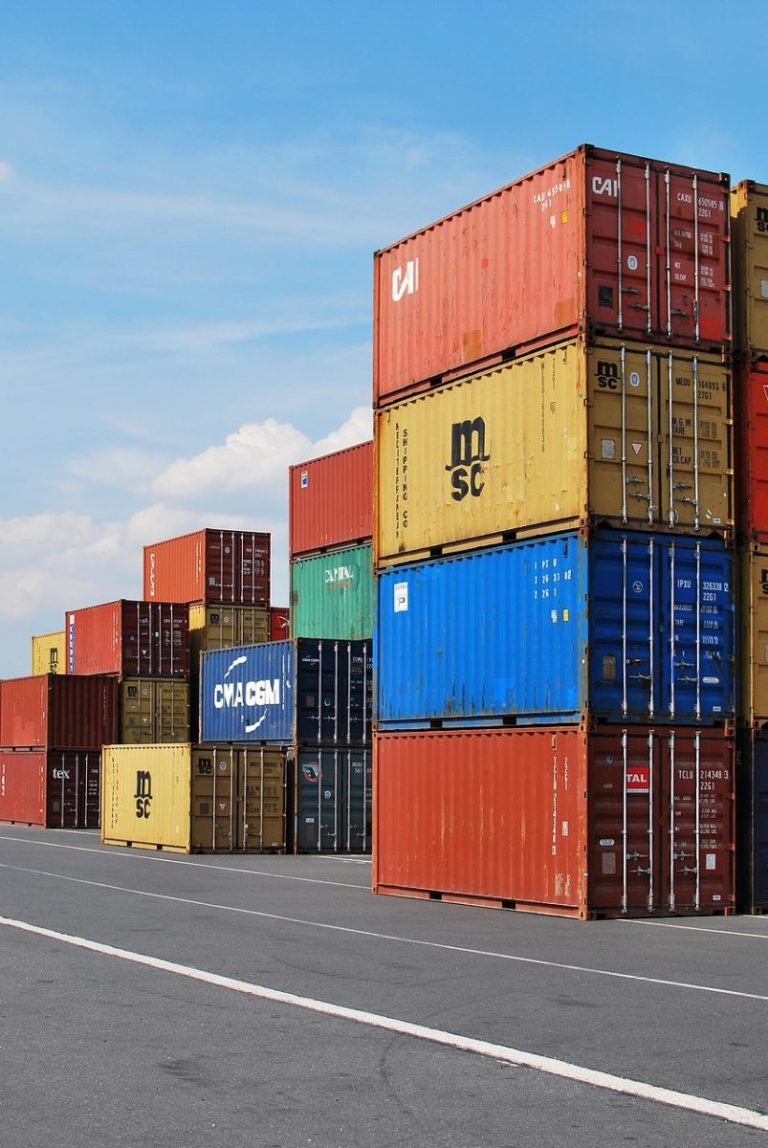
- Sea freight (most common and cost-effective)
- Air freight (for urgent or high-value goods)
Step 9: Customs Clearance & Export Processing
Your goods must pass through Nigerian customs before export.
Required Process:
- Submit documents via the Nigeria Single Window Trade Portal
- Pay necessary duties and fees
- Undergo inspection if required
Working with a licensed clearing agent simplifies this process.
Step 10: Receive Payment Securely
Payment is the final step—and the most critical.
Common Payment Methods:
- Letter of Credit (LC) – safest for large transactions
- Telegraphic Transfer (TT)
- Advance payment
Safety Tips:
- Avoid unknown buyers without verification
- Use escrow services if necessary
- Work with trusted financial institutions
Common Challenges in Agricultural Export (and How to Overcome Them)
1. Quality Rejection
Solution: Strict quality control and compliance with international standards
2. Finding Reliable Buyers
Solution: Build a strong online presence and use verified B2B platforms
3. Logistics Delays
Solution: Partner with experienced freight forwarders
4. Payment Risks
Solution: Use secure payment methods like LC
Final Thoughts
Exporting agricultural products from Nigeria in 2026 is not just a business—it’s a gateway to global trade and foreign earnings. With the right knowledge, proper documentation, and strategic execution, you can build a profitable export business that scales internationally.
The demand is there. The resources are available. The opportunity is massive.
Ready to Start Your Export Business?
If you’re serious about launching or scaling your agricultural export business:
- Get your business registered today
- Choose a profitable product niche
- Start connecting with international buyers
- Build a strong brand presence online
Need help setting up your export website, branding, or digital marketing strategy?
Partner with experts who understand both global markets and Nigerian business realities.
Take the first step today—and position your business for global success.
Contact Enbri Nig. Ltd
Tel: +234 913 783 4286, +234 811 026 2245
Email: info@enbrinigltd.com.ng